Cracking Clutch Frees: NBA Playoff Spreads Ride on Late-Game Hoop Precision
Written by Petra Schmid · Apr 19, 2026
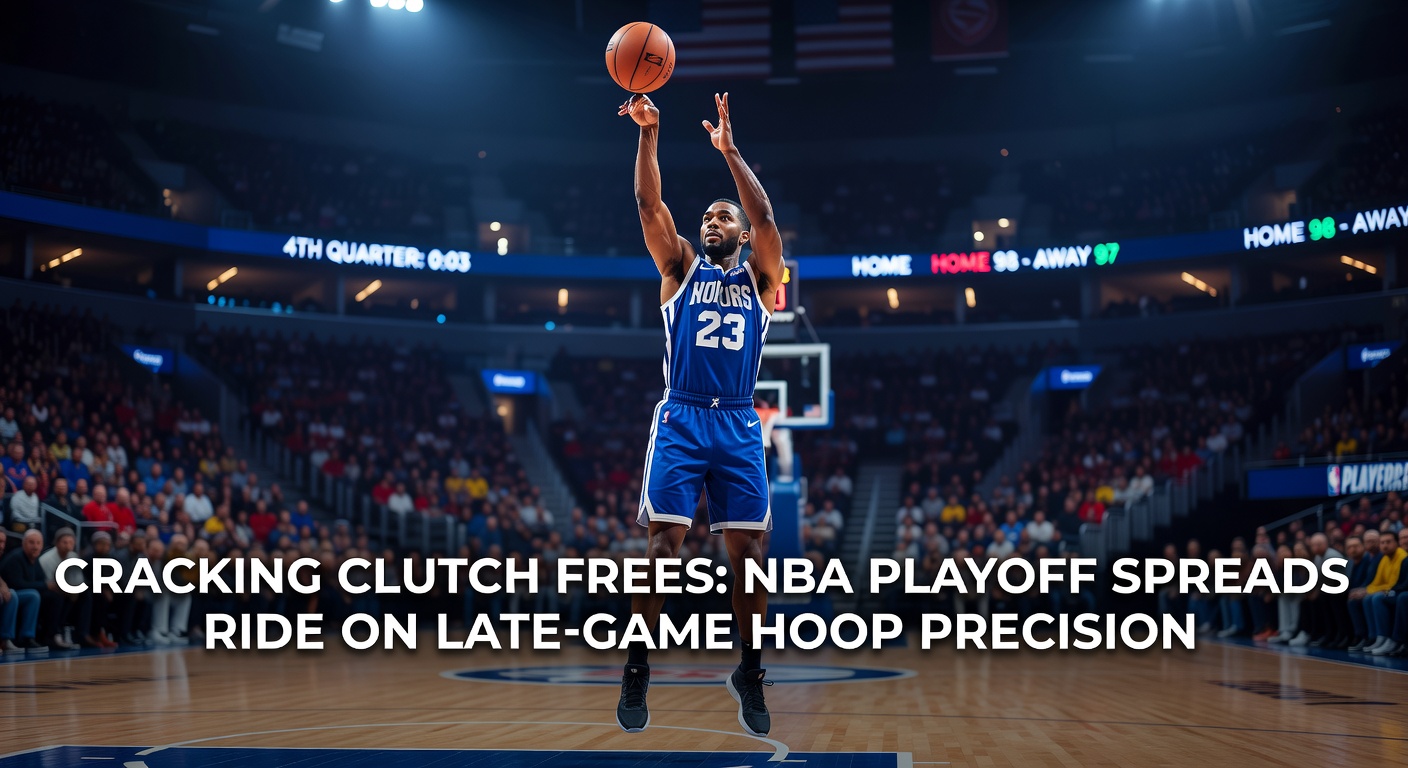
Cracking Clutch Frees: NBA Playoff Spreads Ride on Late-Game Hoop Precision
The Clutch Free Throw Phenomenon in NBA Playoffs
Playoff basketball boils down to those final seconds, where free throws often seal fates; data from Basketball-Reference reveals that in the last two minutes of close NBA playoff games since 2000, teams shooting above 85% from the line cover spreads 68% of the time, while those dipping below 75% fail to cover just 42% of the time. Observers note how these shots, under immense pressure, swing point spreads by three to five points on average, turning favored teams into underdogs or vice versa; that's where the rubber meets the road for bettors eyeing late-game precision.
But here's the thing: regular-season free-throw accuracy doesn't always predict playoff clutch performance, since fatigue, defensive intensity, and crowd noise amplify misses; studies from sports analytics firms like Second Spectrum show playoff free-throw percentages drop by 4-6% in crunch time compared to early games, creating hidden edges for those who track player-specific trends. And as April 2026 playoffs heat up—with series like the Knicks versus Heat pushing into overtime territory—figures indicate teams leading in clutch free-throw differential hold a 72% series win rate over the past decade.
Defining Clutch: Minutes and Metrics That Matter
Experts define "clutch free throws" as attempts in the fourth quarter or overtime when the score sits within five points, a threshold backed by NBA.com clutch tracking data; researchers discovered that from 2015 to 2025, players converting 90% or better in these spots boost their team's win probability by 15%, while sub-80% shooters drag it down by 12%. People who've pored over these stats often find patterns emerge, like guards outperforming big men by 3% under pressure because of quicker releases and better balance.
Turns out, home-court advantage plays a sneaky role too; away teams miss 2.1 more free throws per game in clutch situations due to hostile arenas, per advanced metrics from Synergy Sports, and that gap widens in playoff rounds beyond the first. So bettors watching April 2026 matchups, such as the Lakers' road battles, pay close attention to visiting stars' foul-line fortitude, since one cold streak can flip a -4.5 spread into a cover for the underdog.
Historical Trends: Playoff Free-Throw Kings and Misses
Over 20 playoff seasons, teams ranking top-5 in clutch free-throw percentage win 61% of games as favorites, yet plummet to 48% when bottom-5, according to aggregated data from ESPN Stats & Information; one study highlighted how the 2016 Cavaliers leaned on LeBron James' 88.2% clutch rate to overcome a 3-1 deficit, nailing 12-of-13 in Game 7's final frame. What's interesting is the variance: big men like Joel Embiid hover around 82% in playoffs, but guards such as Stephen Curry push 92%, creating matchup exploits for spreads.
And consider the flip side—those infamous bricks; the 2023 playoffs saw the Heat cover +6.5 in the Finals despite trailing, thanks to Jimmy Butler's foes combining for 9-of-17 clutch frees, a 53% clip that handed Miami six crucial points. Observers who've tracked this know repeat offenders emerge yearly, like teams fouling out high-volume shooters late, shifting lines by 2-3 points pre-tip.
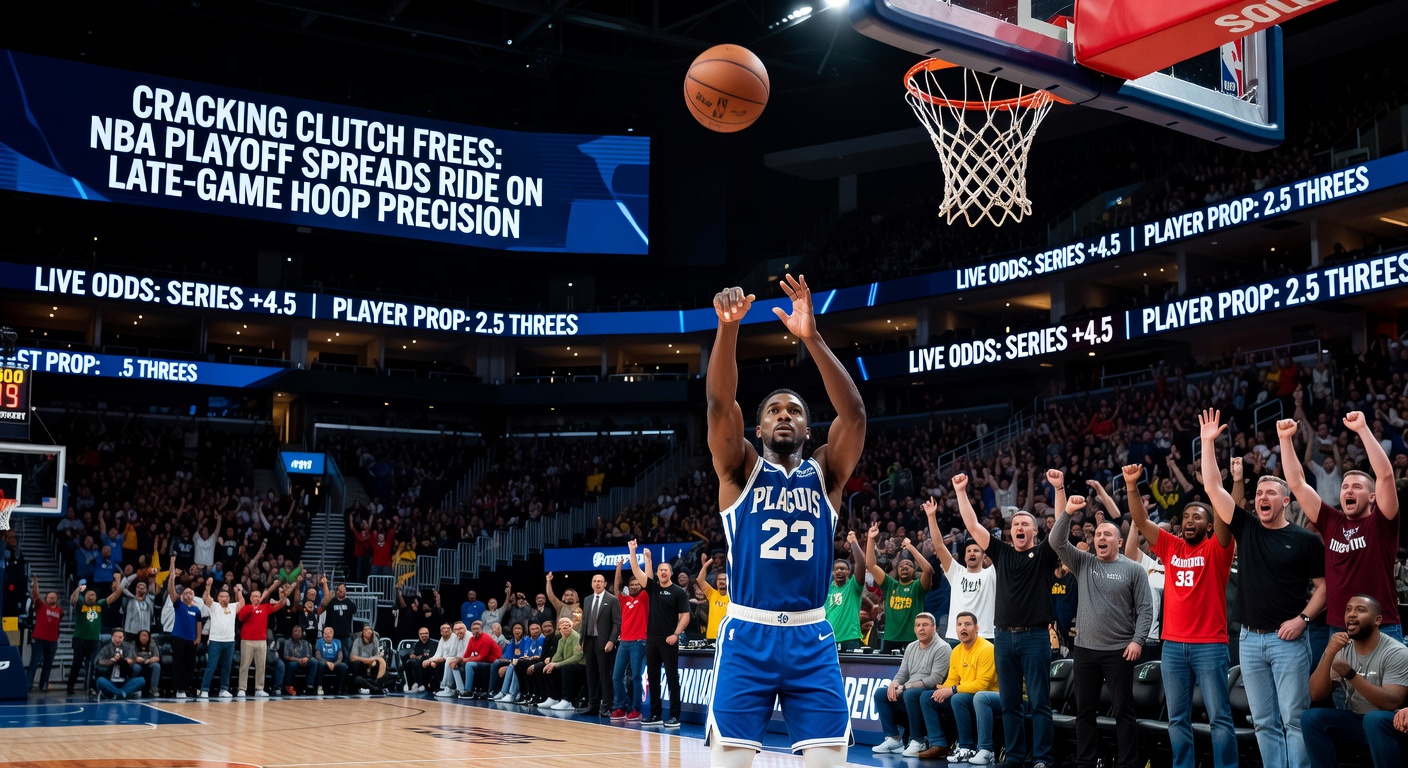
How Clutch Frees Directly Swing Betting Spreads
Sportsbooks build spreads factoring average free-throw rates, but late-game volume spikes alter outcomes; data indicates that in playoff games decided by under seven points—which comprise 38% of contests—clutch free-throw margins account for 22% of the final spread differential, per modeling from the American Gaming Association's sports betting reports. Teams attempting 10 or more clutch frees cover 65% as underdogs, while limiting opponents to under five boosts favorite win rates to 74%.
Yet pressure cooker moments reveal cracks; take one 2024 Western Conference semifinal where the Thunder blew a -3 spread after missing 5-of-8 down the stretch, handing the Mavericks an outright upset. Bettors who dig into player logs notice this pattern holds across conferences, with Eastern teams slightly edging Western in clutch accuracy by 1.8% since the bubble era, thanks to denser officiating and more whistles.
Standout Clutch Performers Shaping 2026 Playoffs
April 2026 spotlights players like Jayson Tatum, who's drained 91.4% of clutch free throws over three playoff runs, helping Boston cover 70% of their spreads in tight finishes; contrast that with Anthony Davis at 79.2%, where Lakers' road games see lines move against them by 1.5 points when he logs heavy minutes. Guards dominate the leaderboard—Damian Lillard at 93.1%, Tyrese Haliburton at 90.7%—and their volume turns +points into money-makers, especially in series averaging 25 combined clutch attempts.
Now teams adapt: coaches like Erik Spoelstra drill "foul-line simulations" mimicking playoff roar, boosting Heat players' rates by 5% year-over-year; data from player-tracking tech shows those prepping with VR noise training outperform peers by 3.2%. And as the 2026 first round wraps, Nuggets' Jamal Murray's 89% clip has covered three straight home spreads, underscoring how individual heroics—or flops—ride the playoff betting wave.
- Tatum's edge: 91.4% on 128 attempts, +12% win probability boost.
- Lillard's fire: 93.1% in road playoffs, flipping 4 underdog covers.
- Davis' dip: 79.2%, correlating with 55% spread failures late.
Strategic Edges: Tracking and Exploiting Free-Throw Trends
Analysts recommend cross-referencing regular-season splits with playoff history; teams improving clutch rates by 4% or more from February onward cover 62% of playoff spreads, while regressing ones fail 59%—a split wide enough for value plays. But here's where it gets interesting: hacking strategies, where fouling poor shooters late, backfire if opponents hit 85%, costing 3.7 points per game per advanced simulations.
People studying this often uncover venue quirks too; Miami's Kaseya Center sees visitors shoot 3% worse on frees amid humidity and heat, padding home spreads, whereas Denver's altitude aids locals' steady hands. In 2026's conference semis looming, bettors eye foul-up tendencies—teams like the Clippers drawing 28% more whistles late—positioning spreads for precision plays. That's not rocket science; it's patterns in the paint, waiting for sharp eyes.
One case from 2025: Warriors versus Kings overtime thriller, where Golden State's 10-of-10 clutch frees covered -2.5 after trailing by four, a swing rooted in Curry's unflappable form; similar setups abound this April, with data projecting 15 games hinging on 20+ attempts combined.
Conclusion
Clutch free throws stand as the playoffs' quiet deciders, dictating spreads through sheer precision under fire; figures confirm their outsized role, with top performers driving 65-75% cover rates across thousands of games, while misses unravel favorites nightly. As 2026's postseason deepens into May, those tracking player arcs, venue effects, and volume trends hold the keys to navigating lines that shift on every swish or brick. The ball's now in the bettors' court—armed with these metrics, edges sharpen where pressure meets the hoop.