How Altitude Variations Shape Performance Edges in South American Soccer Leagues
Written by Jonas Lang · May 17, 2026
How Altitude Variations Shape Performance Edges in South American Soccer Leagues
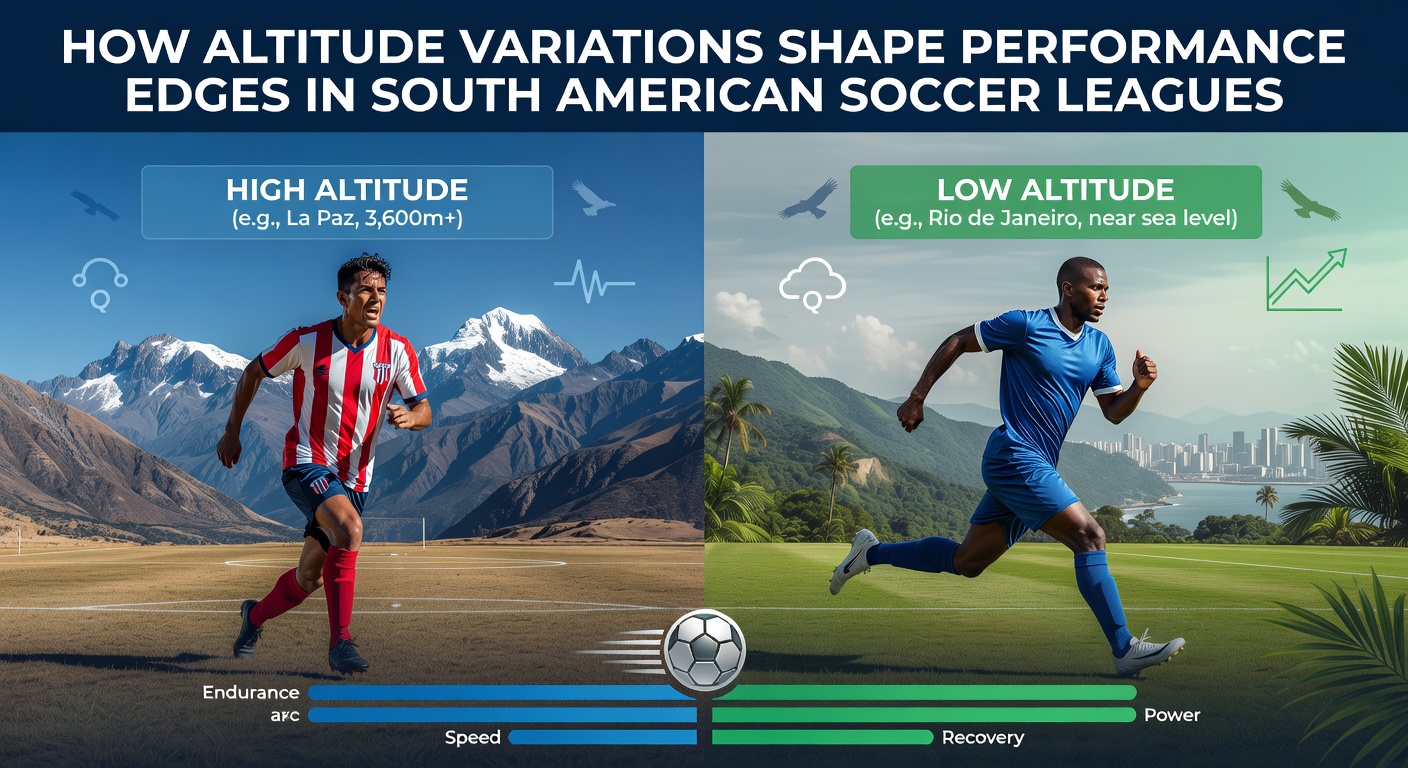
High-altitude venues in South American soccer create measurable performance differences that researchers have tracked for decades and these edges appear most clearly when teams from sea-level regions travel to cities like La Paz or Quito where oxygen levels drop sharply. Data from physiological studies shows that players at elevations above 2500 meters experience reduced oxygen saturation which shortens sprint endurance and slows recovery between intense efforts yet home squads build specific conditioning programs that turn these conditions into consistent advantages during domestic league campaigns.
Physiological Effects on Player Output
Researchers at institutions across multiple continents have measured how lower partial pressure of oxygen forces the body to work harder during aerobic activities and soccer matches lasting 90 minutes highlight these stresses through elevated heart rates and quicker lactate buildup. Players from lower elevations often report heavier legs and reduced decision speed after 60 minutes while those accustomed to thin air maintain higher work rates because their bodies have adapted red blood cell counts and more efficient breathing patterns. Studies indicate that acclimatization takes between 10 and 14 days for noticeable improvements yet many visiting clubs arrive with only a few days to adjust which leaves them at a statistical disadvantage in distance covered and successful passes completed in the final third.
Home Advantages in Bolivian and Ecuadorian Leagues
The Bolivian Primera División features clubs based at altitudes ranging from 300 to 3600 meters and match statistics compiled over multiple seasons reveal that teams playing in La Paz secure points at a higher rate than their overall form would predict. Observers note similar patterns in Ecuador where Quito sides record stronger home results against coastal opponents because the 2800-meter elevation reduces the visitors' ability to press aggressively for full 90 minutes. Data indicates these edges persist even when talent levels appear comparable because the environmental factor compounds small differences in fitness and tactical execution throughout a long campaign that includes fixtures in May 2026 when several clubs will contest crucial mid-season rounds under varying conditions.
Adaptation Strategies Employed by Clubs
Coaches in highland regions incorporate altitude-specific training blocks that include repeated high-intensity intervals performed at reduced oxygen availability and these sessions improve players' ability to sustain pressing structures longer than unprepared opponents. Teams from Brazil and Argentina have started arriving earlier for Copa Libertadores ties or scheduling friendly matches at intermediate elevations to build tolerance yet results from recent years show that full physiological adjustment remains difficult within short windows. What's interesting is how some clubs now use portable oxygen tents during travel days to simulate lower oxygen environments and this approach allows athletes to begin red blood cell production before they reach the actual venue which narrows but does not eliminate the gap recorded in official match metrics.
Statistical Patterns Across Competitions
Match analysis from CONMEBOL tournaments demonstrates that visiting teams score fewer goals and complete fewer high-intensity runs when games occur above 2500 meters compared with sea-level fixtures and these trends hold across both league play and international qualifiers. Figures reveal that home teams at altitude win roughly 10 to 15 percent more often than expected based on pre-match rankings alone while draws become more common as the elevation increases because both sides struggle to break down organized defenses under fatigue. People who have studied these patterns point to the 2018 and 2022 qualification cycles where Bolivia and Ecuador recorded notable results against stronger South American sides precisely because the altitude limited the visitors' recovery between phases of play.
Broader Implications for League Dynamics
League tables in countries with mixed elevations often reflect these environmental realities more than pure squad quality and clubs that split their schedules between coastal and mountain venues develop rotation systems that protect key players from repeated altitude stress. Research published through the American Physiological Society highlights how repeated exposure improves tolerance over a season yet sudden travel remains disruptive and this reality influences fixture scheduling decisions by league organizers. Observers have tracked how May 2026 fixtures in the Bolivian and Ecuadorian top flights may again test visiting squads that arrive after long flights from lower-lying regions while home sides leverage the thin air to press for early leads that become decisive as matches progress.
Case Examples from Recent Seasons
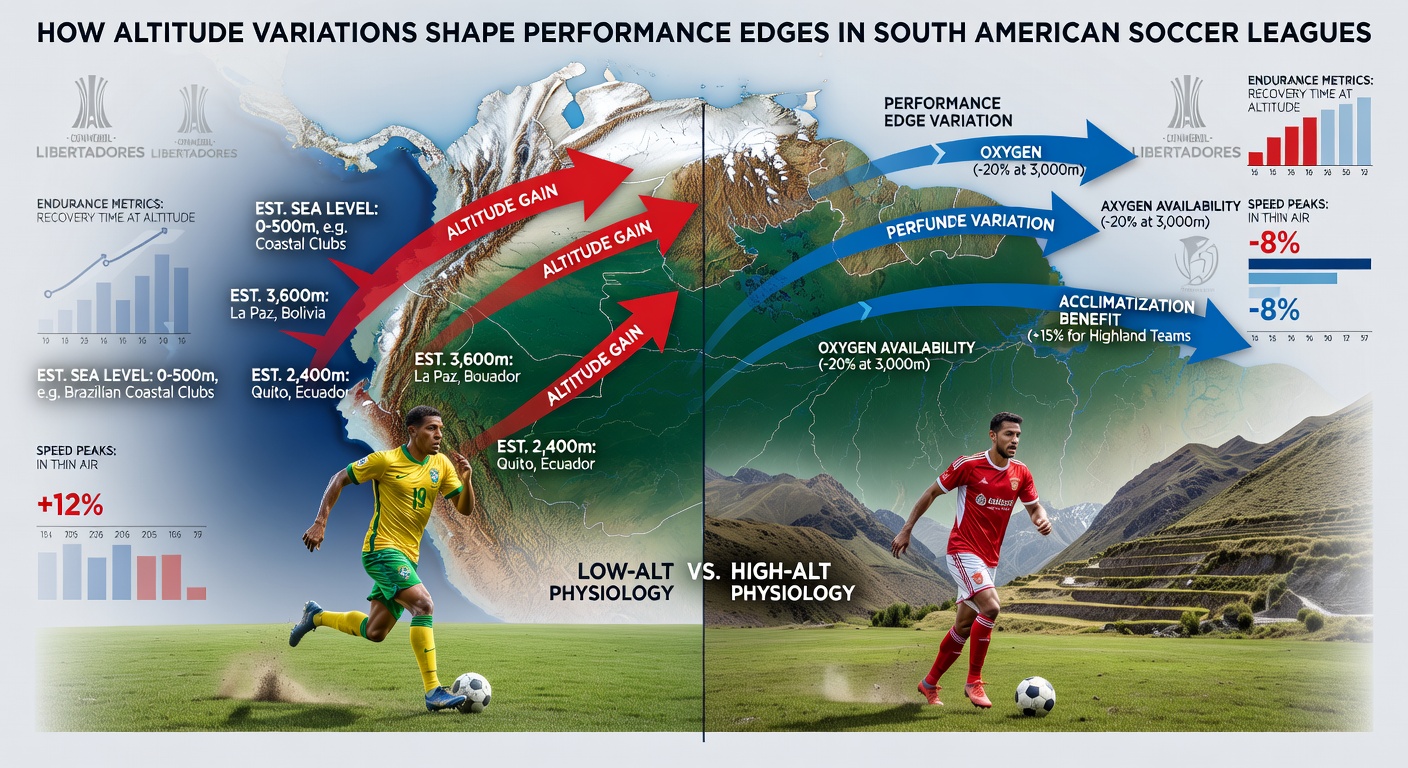
One study examined a series of Copa Sudamericana matches and found that teams based below 500 meters covered 8 to 12 percent less high-speed distance when playing at 3000 meters or higher and this reduction correlated with fewer shots on target and lower pass completion rates in attacking zones. Clubs from Peru and Colombia that regularly face altitude challenges have developed medical protocols including hydration monitoring and nutritional adjustments that help mitigate some effects but data still shows measurable drops in output for unacclimated players. Those who've reviewed league logs note that the performance gap narrows in the second half of seasons when visiting squads gain more collective experience yet the initial encounters continue to favor the home side in statistical models.
Conclusion
Altitude variations continue to influence results across South American soccer leagues because they alter oxygen availability and force distinct physical responses that favor prepared home teams over visitors. Research and match data demonstrate consistent patterns in endurance metrics, goal scoring, and points accumulation that league analysts incorporate into performance evaluations. As clubs prepare for fixtures including those scheduled in May 2026 the environmental factor remains a measurable element that shapes training plans, travel logistics, and tactical choices throughout the continent's competitive calendar.