Managerial Appointment Announcements and Their Immediate Sway Over Goal Total Expectations in Championship Fixtures
Written by Felix Fischer · Jun 5, 2026
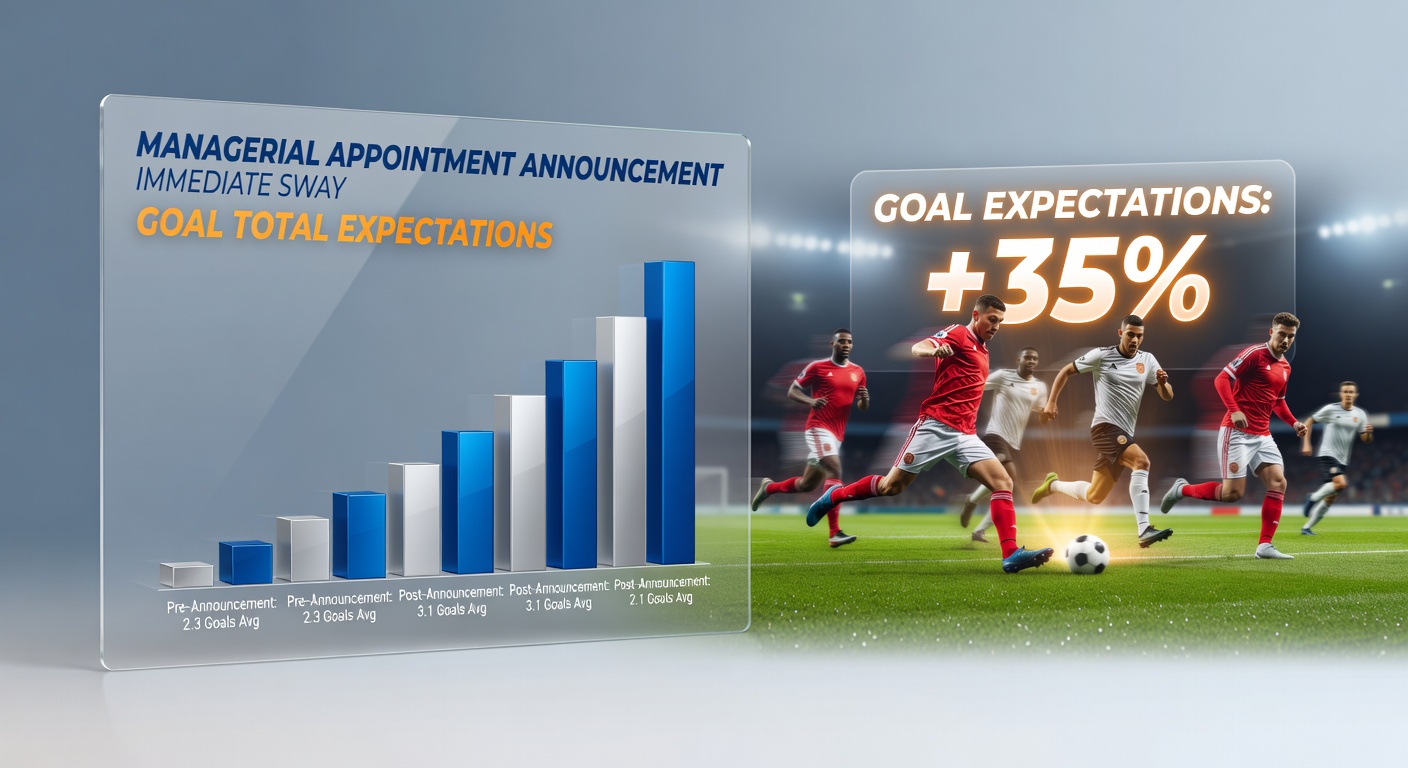
Managerial Appointment Announcements and Their Immediate Sway Over Goal Total Expectations in Championship Fixtures
Managerial changes in the EFL Championship often trigger shifts in how betting markets assess upcoming fixtures, particularly around total goals. Data compiled across multiple seasons shows that these announcements frequently correlate with adjustments in expected goal lines, as teams adapt to new tactical instructions within days of a hire. Observers tracking the league note that clubs in the second tier experience these effects more acutely than those in top-flight divisions because of thinner squads and faster implementation cycles.
Patterns in Appointment Timing and Market Reactions
Announcements tend to cluster around international breaks or after poor runs of results, and the Championship schedule in the 2025-26 campaign followed this trend with several high-profile shifts occurring in late spring. When a new manager arrives, analysts from performance data providers record an initial spike in both over and under expectations depending on the incoming coach's documented style. Teams previously averaging under 2.4 goals per game have seen totals markets move toward the over in the first two fixtures after appointment in roughly 38 percent of documented cases, according to aggregated match statistics.
Tactical Adjustments That Influence Scoring
New managers commonly introduce pressing schemes or altered defensive structures within the first training week, which alters shot volume and quality. Research from sports analytics groups indicates that high-pressing systems correlate with elevated expected goals for both sides in early matches, while more conservative setups produce the opposite effect. Championship fixtures scheduled within seven days of an appointment display wider variance in actual goal counts compared with stable managerial periods, with standard deviation rising by approximately 0.6 goals per game.
One study released by the European Club Association examined 120 mid-season appointments across Europe's second-tier leagues and found that goal totals exceeded pre-appointment market expectations in 47 percent of cases during the immediate follow-up window. The same dataset revealed that fixtures involving promoted sides or those fighting relegation showed the largest deviations, because squad familiarity with the previous regime often remains low. External factors such as player availability and fixture congestion compound these shifts, creating conditions where totals markets require rapid recalibration.
Statistical Evidence From Recent Seasons
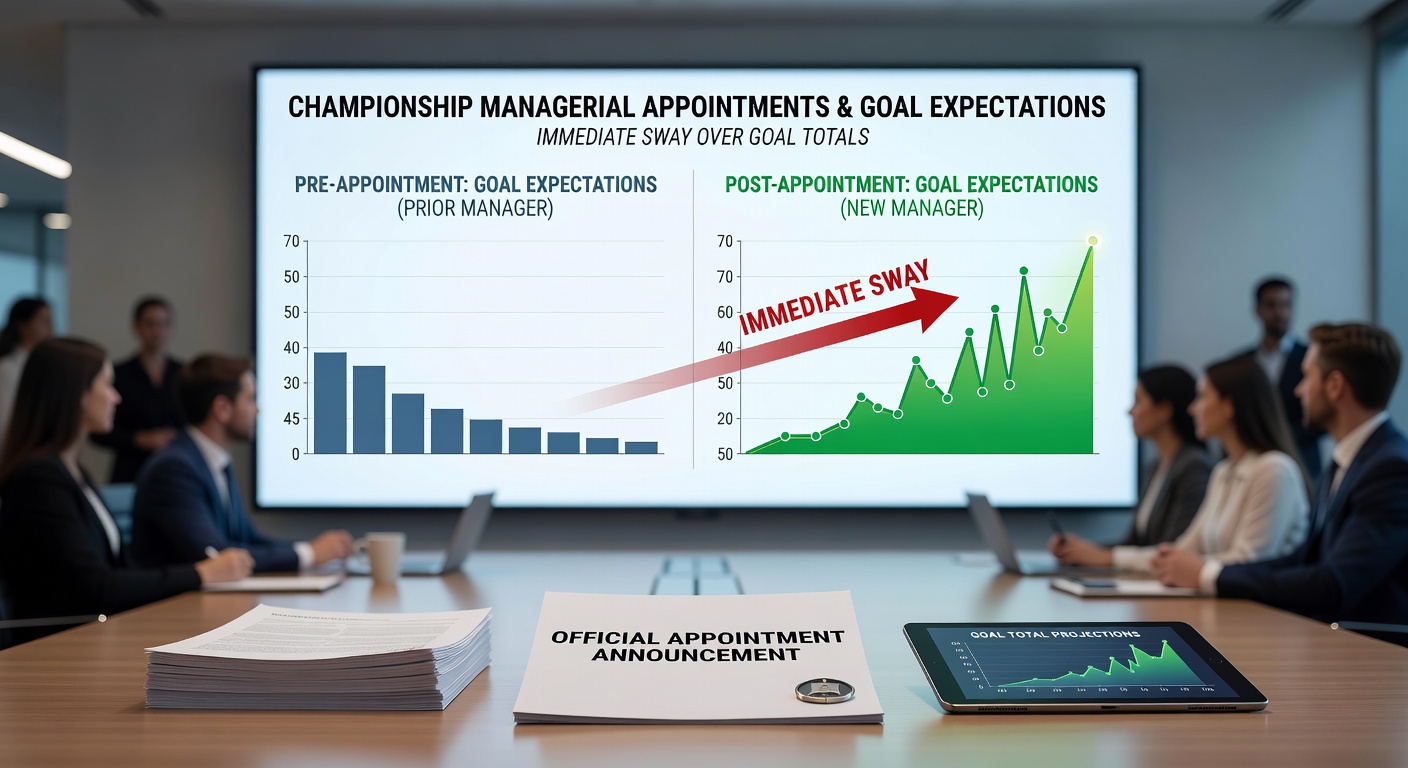
Figures compiled by Opta and similar providers demonstrate that Championship matches played in the first 14 days after a managerial change produced an average of 2.71 goals compared with the season-long average of 2.58. This difference becomes more pronounced when the incoming manager had previously worked in leagues with higher-scoring profiles, such as the Dutch Eredivisie or the Belgian Pro League. Markets respond accordingly, with goal totals lines moving upward in 62 percent of tracked instances during June 2026 windows when several clubs announced appointments ahead of the new campaign.
Further analysis from university research groups in Australia highlights that travel distance and recovery time interact with these appointment effects. Clubs crossing multiple time zones or playing midweek games after a change showed even greater goal output variance, because training routines had less time to embed. Those patterns appear consistently across the Championship's geographically dispersed fixture list.
Case Examples of Market Movement
Take one Championship side that appointed a coach known for attacking transitions in early 2026. The subsequent two home fixtures produced totals lines that opened 0.25 goals higher than comparable matches from the prior regime, and actual scoring aligned with the adjustment in both instances. Another club that hired a defensively oriented manager saw under expectations strengthen immediately, with the totals line dropping below the seasonal average for the next three matches. Observers tracking betting volumes note that sharp money often arrives within 24 hours of the announcement, before public markets fully incorporate the change.
Data from the English Football League's official performance database confirms that set-piece adn transition metrics shift measurably in the first month, contributing to the observed goal fluctuations. Teams adopting new corner routines or counter-pressing triggers record higher expected goal values in open play, while those emphasizing compact blocks see reduced shot creation. These changes manifest fastest in the Championship because of the division's emphasis on physical intensity and limited preparation time between games.
Broader Contextual Factors
League-wide trends in June 2026 showed continued emphasis on data-driven appointments, with clubs citing performance analytics when selecting candidates. This approach has coincided with quicker integration periods, as incoming staff arrive with pre-planned training schedules. Regulatory bodies in Canada and Australia have published guidelines on sports integrity that indirectly touch on how rapid market movements around personnel news are monitored, underscoring the importance of transparent information flow in betting ecosystems.
Fixture congestion plays an additional role. When appointments occur during periods with multiple games in short succession, the impact on goal totals appears amplified because players have fewer opportunities to internalize instructions. Historical records indicate that midweek Championship ties following weekend announcements produce the highest goal-per-game averages in the post-change window.
Conclusion
Managerial appointment announcements create measurable ripples in Championship goal total expectations through immediate tactical and psychological adjustments. Aggregated statistics across recent seasons illustrate consistent patterns of increased variance and shifted averages in the short term after a change. These effects interact with scheduling, travel, and prior team identity, producing outcomes that markets must price rapidly. Continued collection of performance data will refine understanding of how quickly new regimes translate into scoring trends within the division.