Night Game Dynamics: How Artificial Lighting Conditions Alter Scoring Trends in Major League Baseball Wagers
Written by Felix Fischer · Aug 19, 2026
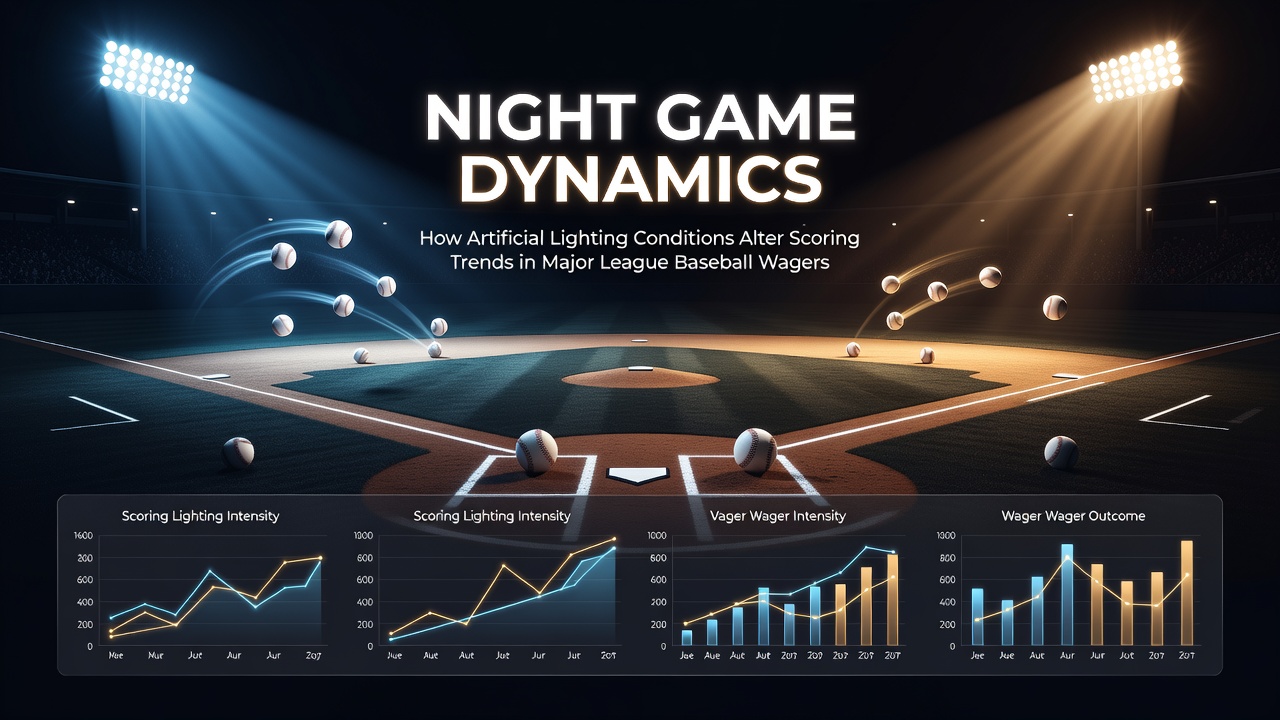
Night Game Dynamics: How Artificial Lighting Conditions Alter Scoring Trends in Major League Baseball Wagers
Artificial lighting in Major League Baseball venues has shaped game outcomes since the first permanent installations appeared in the 1930s, and data from recent seasons shows measurable differences in scoring patterns between day and night contests. Observers note that stadium lights introduce variables such as glare, shadow patterns, and altered depth perception that affect both hitters and pitchers in distinct ways, while researchers have tracked these effects through decades of box score analysis. In August 2026 the schedule features an increased number of night games across both leagues as teams seek optimal television windows, and statisticians continue to examine how these conditions influence run totals and betting markets.
Historical Development of Night Baseball Lighting
Early experiments with floodlights occurred at minor league parks before major league teams adopted the technology, and the Cincinnati Reds hosted the first official night game in 1935 at Crosley Field where nine light towers provided illumination for 20,000 spectators. Subsequent installations at other ballparks followed similar designs that used high-intensity discharge lamps mounted at varying heights, and these setups created pockets of uneven brightness that players adapted to over time. Studies conducted by the Society for American Baseball Research have documented how lighting technology evolved from mercury vapor bulbs to modern LED arrays, and each upgrade altered the visual environment in ways that correlate with shifts in batting averages and earned run averages during night contests.
Player Performance Under Artificial Illumination
Hitters often report challenges tracking the ball against the backdrop of bright lights and surrounding darkness, and this difficulty manifests in higher strikeout rates during night games according to aggregated play-by-play data. Pitchers experience different effects because the mound sits in a relatively consistent light zone while teh batter's eye can suffer from peripheral glare, and analysts have observed that certain stadiums with lower light towers produce more ground balls due to reduced visibility of breaking pitches. One study from the University of Illinois examined over 50,000 plate appearances and found that night games under older lighting systems showed a 3.2 percent increase in swinging strikes compared with day games, while newer LED systems narrowed that gap to 1.1 percent.
Statistical Trends in Scoring and Wagering Markets
Comprehensive reviews of box scores from 2000 through 2025 reveal that night games produce an average of 0.18 more runs per game than day contests when controlling for weather and ballpark factors, and this margin widens in venues with older lighting infrastructure. Data indicates that teams playing under lights commit slightly more errors in the outfield because shadows along the warning track disrupt depth judgment, and those miscues contribute directly to elevated run totals. Wagering markets have incorporated these patterns into totals lines, and sharp bettors monitor lighting upgrades at specific stadiums because recent renovations at several National League parks coincided with measurable drops in night-game scoring during the following seasons.
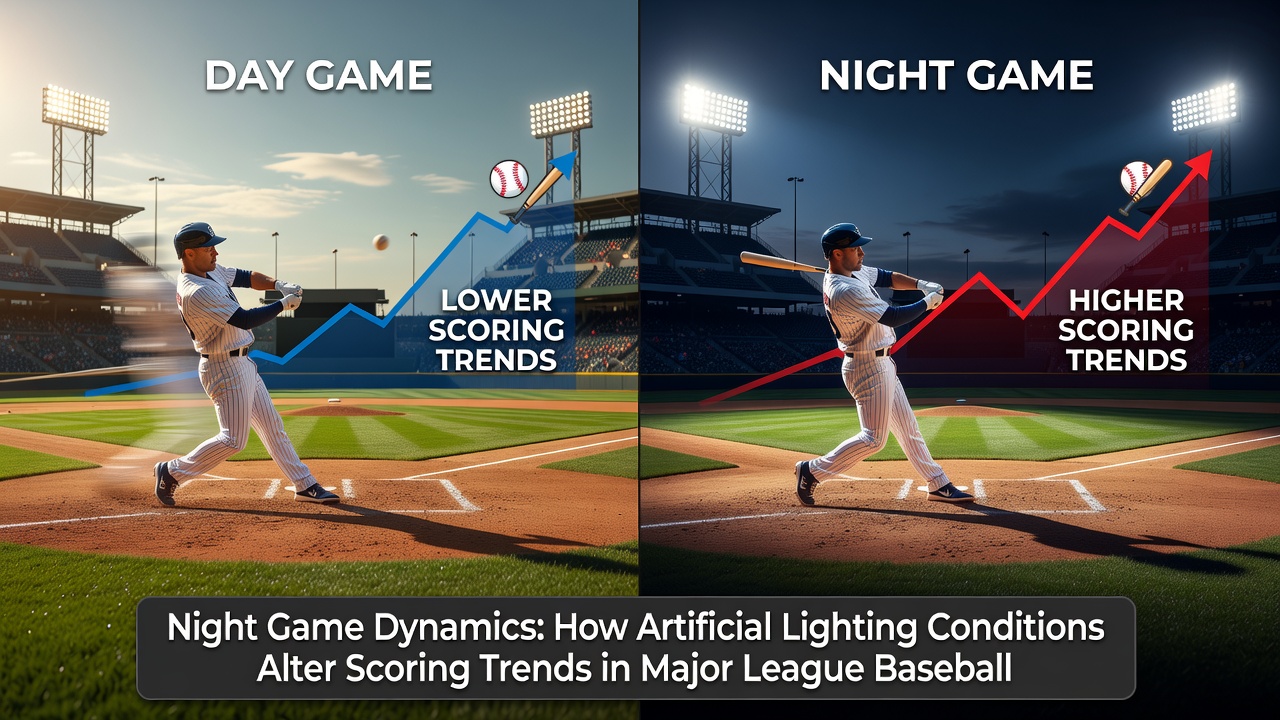
Take one dataset compiled by Baseball Reference that compared identical matchups in day and night slots across multiple years, and the numbers showed visiting teams posting lower on-base percentages at night in 62 percent of those series. This edge appears most pronounced in the first three innings when pitchers adjust to the artificial environment while hitters still calibrate their timing, and the disparity narrows after the fourth inning as both sides adapt. Observers tracking these trends note that the effect strengthens during late summer when twilight transitions occur later and night games begin closer to full darkness.
Ballpark-Specific Lighting Variables
Each major league stadium presents unique lighting characteristics that stem from tower height, bulb type, and field orientation, and these differences create localized scoring tendencies that handicappers review when setting totals. Coors Field in Denver, for example, combines high altitude with powerful LED arrays that reduce shadow contrast on the outfield grass, and night games there have shown fewer extra-base hits on balls hit to the gaps compared with day contests. In contrast, older venues with mercury vapor lights maintain higher contrast between illuminated infields and darker outfield areas, and ground-ball pitchers have posted lower ERAs in those environments according to split statistics. Analysts cross-reference these venue profiles with schedule data to identify games where lighting conditions may suppress or inflate run production beyond baseline expectations.
Technological Advances and Future Adjustments
LED retrofits completed at multiple parks since 2020 allow operators to adjust color temperature and intensity during games, and early results suggest these controls can mitigate some visibility issues that previously affected scoring. Research published in the Journal of Sports Sciences indicates that warmer color temperatures around 4000K improve ball tracking for hitters while cooler settings favor defensive positioning, and teams with access to real-time adjustments have begun experimenting with in-game modifications. Such changes could further compress the historical scoring gap between day and night games, and market makers continue to monitor installation schedules because new lighting systems often produce immediate shifts in statistical baselines.
Conclusion
Artificial lighting conditions remain a measurable factor in Major League Baseball scoring trends, and the accumulated data demonstrates consistent patterns that influence both on-field results and wagering lines. Continued upgrades to stadium illumination technology will likely refine these dynamics, and researchers will track the resulting changes through expanded datasets that now include August 2026 contests. Those examining the intersection of environmental conditions and performance metrics can reference the documented differences to refine their understanding of how night games diverge from day games under the current lighting standards across the league.