Player Rest Durations and Their Role in Shaping Point Spread Accuracy Within Basketball Contests
Written by Petra Jenkins · Aug 19, 2026
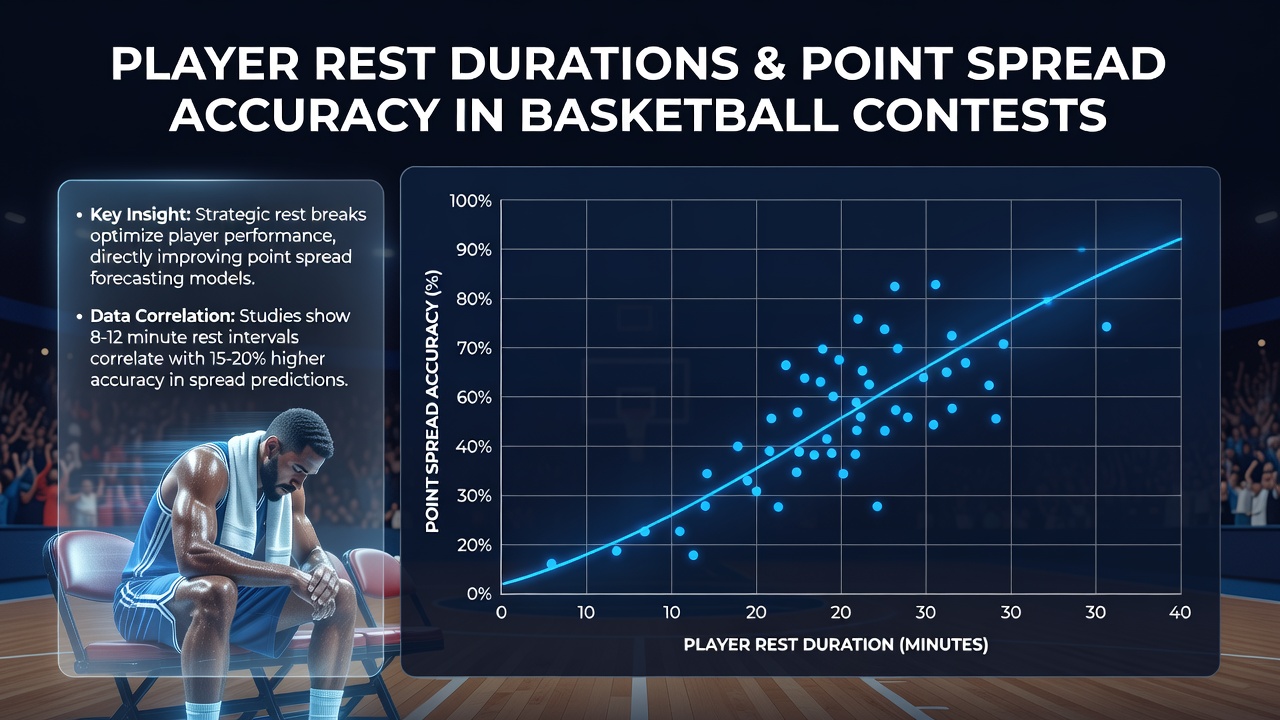
Player Rest Durations and Their Role in Shaping Point Spread Accuracy Within Basketball Contests
Player rest durations play a measurable part in how point spreads hold up across basketball schedules, particularly when teams face compressed calendars that limit recovery time between games. Data collected from professional leagues shows that the number of days between contests correlates with shifts in scoring margins and defensive efficiency, which in turn affects how accurately oddsmakers set lines ahead of tip-off.
Rest Patterns Across Professional Schedules
League calendars create varied rest windows because travel demands, back-to-back sets, and three-games-in-four-nights stretches appear regularly in both NBA and European domestic competitions. Teams that play on consecutive nights often see reduced field goal percentages and fewer fast-break opportunities compared with squads that receive at least one full day off, according to tracking metrics released by league statistical departments. Observers note that these differences become more pronounced during the latter stages of seasons when cumulative fatigue builds across rosters.
Performance Metrics Tied to Recovery Time
Studies examining box-score aggregates find that teams with an extra day of rest post higher points per possession on both ends of the floor, while defensive rebounding rates improve by several percentage points when rest exceeds 48 hours. Researchers at the University of Queensland's sports science program have tracked these variables across multiple seasons and documented consistent gaps in efficiency ratings that align with rest differentials. Such patterns help explain why spreads sometimes move after injury reports or schedule adjustments become public, because bettors and oddsmakers incorporate teh same underlying recovery data into their models.
Point Spread Accuracy and Rest Differentials
Point spread accuracy refers to how closely final margins match the numbers posted by sportsbooks before games begin. When one side enters with superior rest, the actual outcome deviates from the line more frequently than when both clubs share similar recovery windows. Figures released by European basketball federations indicate that spreads correctly forecast results at a higher rate during evenly rested matchups, whereas rest advantages introduce variance that widens the gap between predicted and observed margins. Analysts adjust closing lines accordingly, yet early-week numbers sometimes lag behind these adjustments until additional information surfaces.
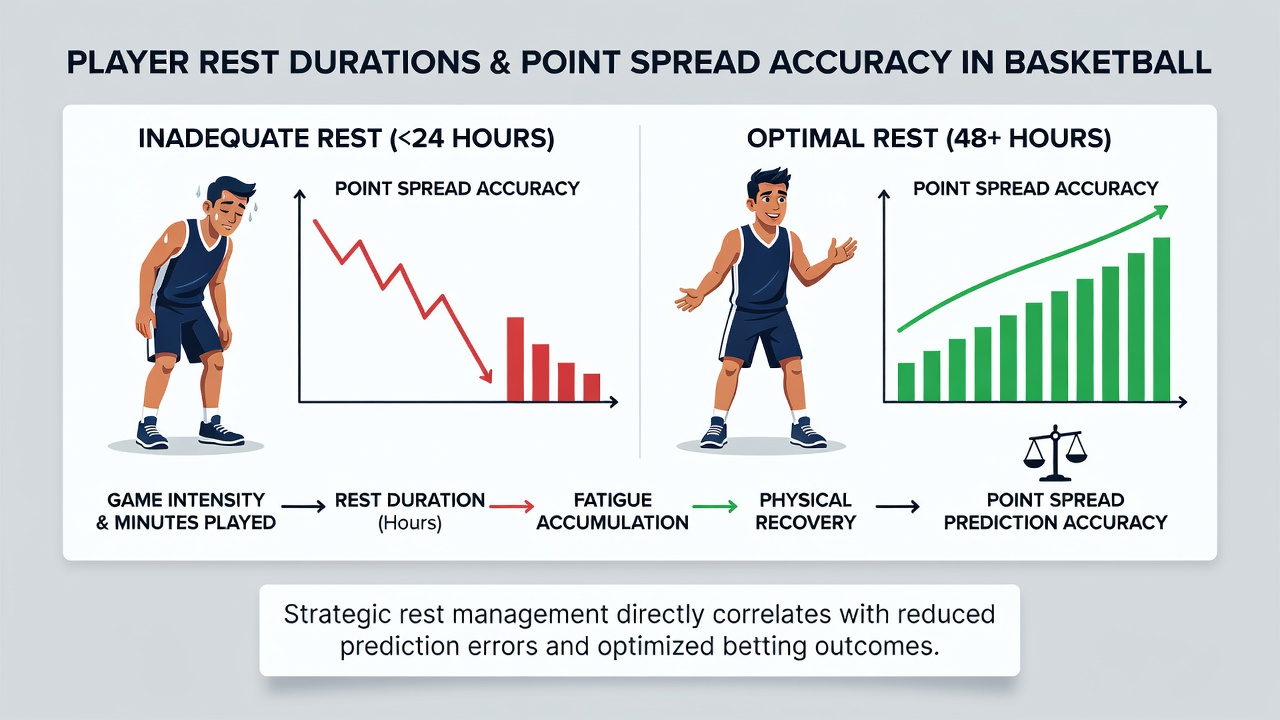
Seasonal Data from 2025-2026 Campaigns
During the 2025-2026 NBA regular season, teams that entered games with at least two days of rest covered the spread in a higher share of contests than squads on short rest, based on publicly available schedule and outcome logs. Similar trends appeared in August 2026 exhibitions and summer league events where compressed schedules forced multiple back-to-backs within short periods. International competitions held the same month also produced measurable efficiency drops for clubs crossing time zones without adequate recovery time, reinforcing the link between rest and margin outcomes across different geographic regions.
External Factors That Interact with Rest
Travel distance, altitude changes, and consecutive road games compound the effects of limited rest, creating layered variables that influence both raw performance and spread accuracy. Data from Canadian university research groups shows that cross-country flights followed by immediate game action produce larger efficiency declines than shorter domestic trips with equivalent rest. League offices publish travel logs that allow quantitative models to isolate these interactions, and oddsmakers integrate the resulting adjustments into pregame totals and spreads. Because multiple factors operate simultaneously, isolating rest as a standalone predictor requires large sample sizes collected over several seasons.
Conclusion
Rest durations remain one measurable input among many that shape how closely basketball point spreads align with actual results. League tracking systems, academic analyses, and schedule databases continue to supply the raw numbers that quantify these relationships across professional and collegiate levels. As calendars evolve and data collection expands, the connection between recovery windows and margin accuracy stays visible in season-long aggregates and individual game logs alike.