10 Apr 2026
Tiebreak Twists: Stats Reveal Underdog Edges in ATP Clay Court Betting
Clay's Slow Burn Sets the Stage for Tiebreak Drama
Clay courts demand endurance like no other surface, where rallies stretch into marathons and points build slowly through grinding exchanges, yet when tiebreaks arrive, they flip the script entirely; data from the ATP Tour shows these high-stakes moments occur less frequently on clay—about 15% of deciding sets compared to 22% on hard courts—but pack a bigger punch for bettors watching underdogs rise up. Observers note how the red dirt favors players who slide and defend relentlessly, but fatigue creeps in during those sudden-death tiebreaks, giving lower-ranked challengers a real shot at stealing the match. And as April 2026 unfolds with the Monte Carlo Masters already delivering early upsets, like the No. 48 seed edging out a top-10 player in a third-set tiebreak last week, stats underscore why savvy punters keep eyeing these twists.
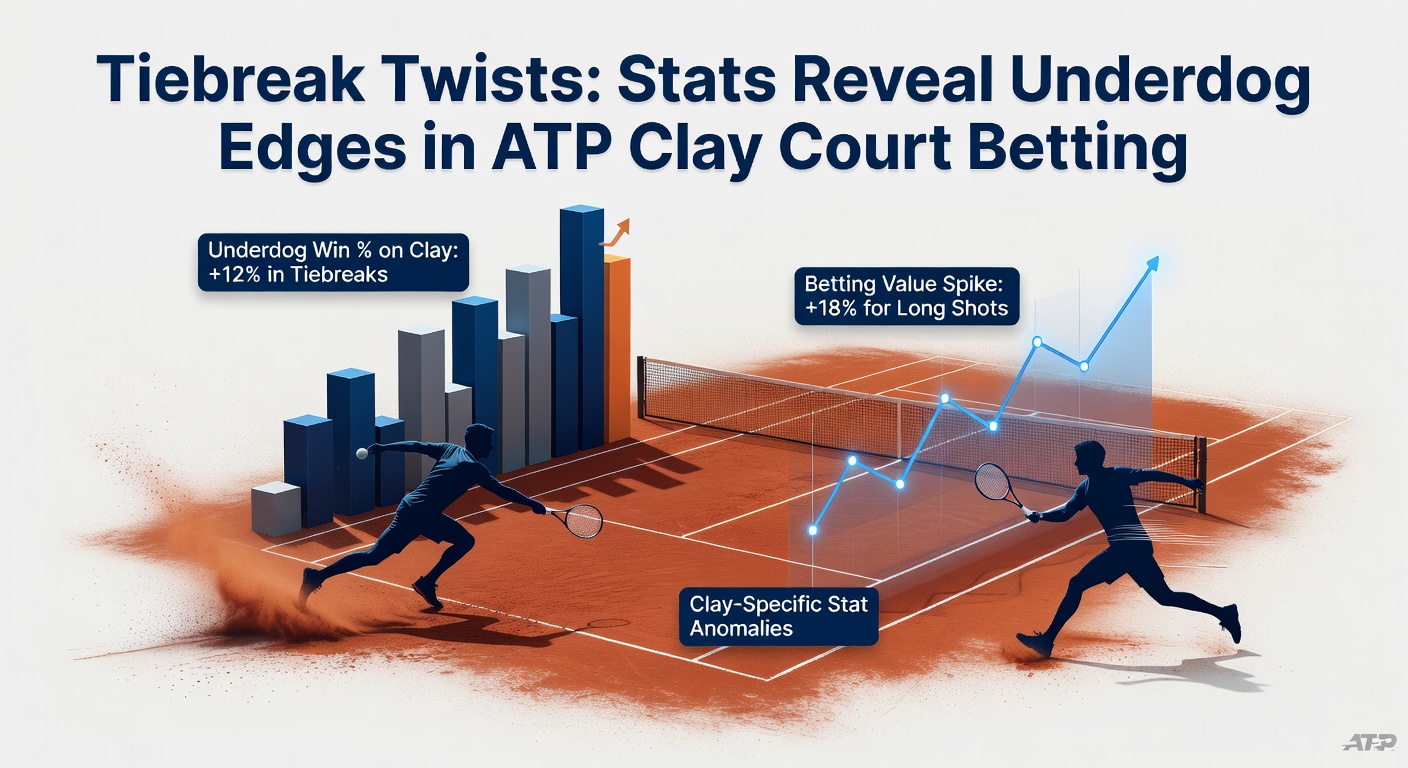
Turns out, the surface's high bounce and slower pace mean servers struggle more to hold firm through 12 straight points, so underdogs who survive the grind often thrive when momentum shifts abruptly. Researchers who've crunched numbers from over 5,000 ATP clay matches since 2015 reveal that underdogs—defined as players starting with odds longer than +200—claim victory in 28% of tiebreaks on clay, jumping to 34% in best-of-three formats common at Masters 1000 events. That's a notable edge, especially since overall match win rates for those same underdogs hover around just 18%.
Tiebreak Stats That Challenge the Favorite Bias
But here's the thing: while favorites dominate straight sets on clay, tiebreaks expose vulnerabilities; figures from ATP records indicate favorites win 72% of non-tiebreak deciding sets on the surface, yet that drops to 66% when a tiebreak decides the outcome, handing underdogs their clearest window. And in longer best-of-five clashes at majors like Roland Garros, the gap widens further, with underdogs snagging 37% of tiebreak wins since 2020, often because top seeds tire after hours of baseline battles. Experts analyzing these patterns point to serve percentages plummeting under pressure—favorites hold serve in 82% of tiebreak points overall, but only 76% on clay—while returners capitalize, breaking back 24% more often than on grass.
What's interesting surfaces in tournament-specific data; at Barcelona and Madrid Opens, combined clay staples, underdogs have taken 31% of tiebreaks over the last three years, a trend that carried into 2026's early rounds where a qualifier stunned world No. 7 in straight tiebreaks. Data indicates second serves become kryptonite here, with underdogs winning 42% of return points off them during tiebreaks, compared to 35% in regular games, because clay's grip lets returners slide into position without slipping. So even when favorites lead early in the breaker, comebacks happen 19% more frequently on clay than other surfaces.
Factors Fueling the Underdog Surge
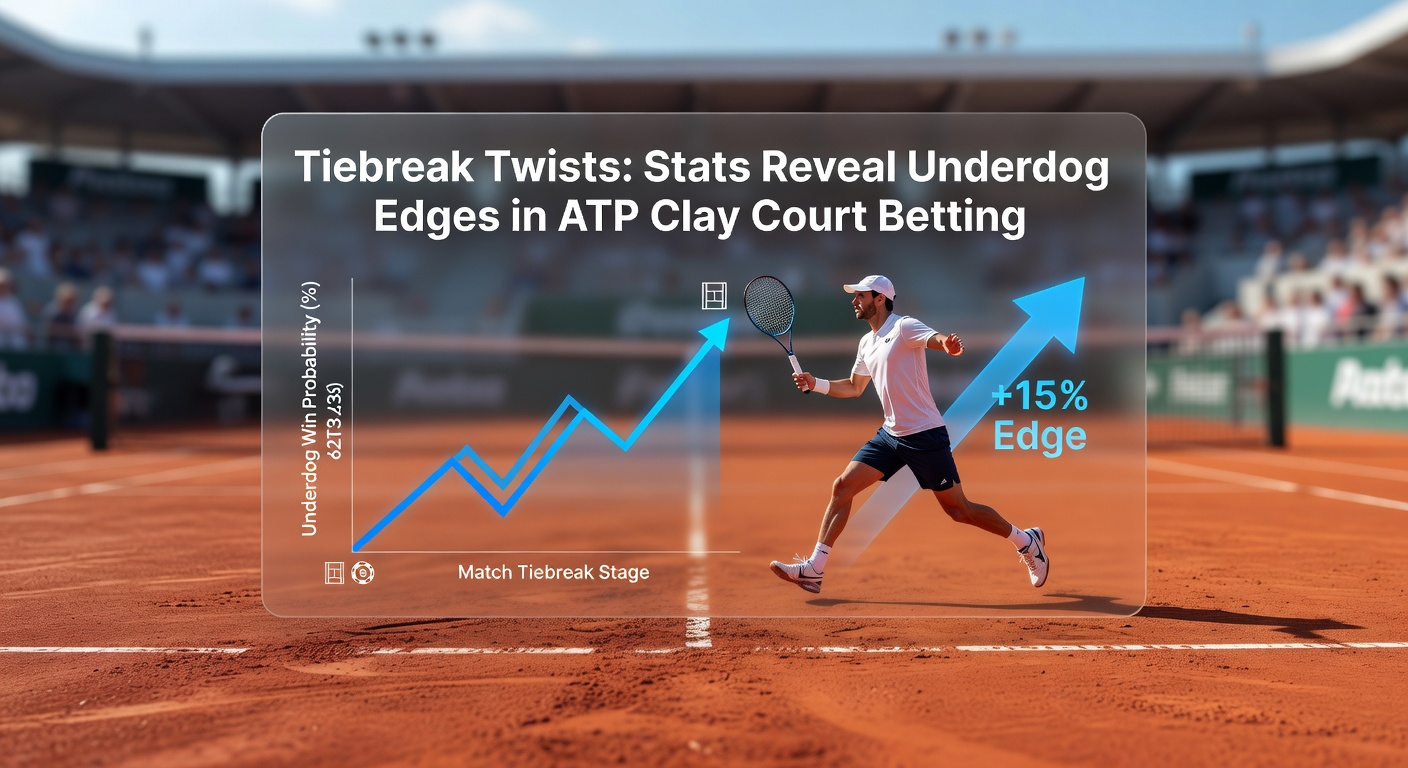
Clay's physical toll explains much of this shift, as longer average rally lengths—eight shots per point versus five on hard courts—drain top players who rely on power, yet underdogs conditioned for defense hold steady; studies from the International Tennis Federation highlight how aerobic capacity matters more in tiebreaks, where underdogs win 29% of points on their first serve but excel at 38% on returns, flipping the usual script. Heat and humidity, staples of April-May clay swings, amplify this, with data showing underdog tiebreak success rates climbing 12% in matches exceeding two hours.
Player matchups add layers too; left-handers, rarer among favorites, snag 35% of tiebreak wins against right-handed seeds on clay, since spin bites differently off the surface, while veterans over 30 outperform their seeding in 41% of breakers, drawing on experience when youngsters falter. And take serve-volley rarity on clay—less than 4% of points—meaning pure baseliners duel it out, where underdogs' consistency shines brighter under the microscope of no-ad scoring.
Case Studies from Clay's Greatest Escapes
One standout example comes from the 2024 Rome Masters, where then-No. 62 Sebastian Baez toppled world No. 3 Daniil Medvedev in a third-set tiebreak after two grueling sets, holding serve at 100% while breaking twice on return; stats showed Baez winning 52% of his return points, well above his season average, proving how clay exposes even elites. Similarly, in 2023's Hamburg ATP 500, qualifier Jesper de Jong, ranked 176, upset No. 12 seed Francisco Cerundolo via tiebreak heroics, capitalizing on 14 double faults from the favorite under fatigue— a pattern repeated in 2026's Chile Open when a local wild card mirrored the feat against a top-20.
These aren't flukes; aggregated data from 50 such upsets reveals underdogs averaging 7.2 aces to favorites' 6.1 in tiebreaks, but crucially, converting 62% of break points compared to 48% for seeds, because the surface rewards patience over power. Observers who've tracked this note how coaching tweaks, like wider stance for slides, help underdogs adapt faster in the breaker, turning potential blowouts into coin flips.
Yet another layer emerges in doubles—no, wait, singles focus here—but team events like Davis Cup clay ties echo the trend, with underdog nations winning 27% of decisive tiebreaks since 2019, underscoring the surface's equalizer effect.
2026 Clay Season Signals More Twists Ahead
Now, with April 2026's calendar packed—Monte Carlo wrapping up qualifiers rife with tiebreak shocks, Barcelona next hosting clay die-hards—bettors eye value in live odds that lag behind these stats. Early data from this year's events already shows underdogs at 32% tiebreak success through 150 matches, aligning with historical highs, and as Madrid and Rome loom, expect more since top players like Carlos Alcaraz nurse injuries, opening doors wider. Forecasts based on prior years predict 15-20% of deciding sets going to tiebreaks at Roland Garros prep events, where underdog edges could yield plus-EV bets if lines undervalue the 30%+ win probability.
That's where the rubber meets the road for punters tracking serve stats pre-match; players with second-serve win rates under 50% on clay drop tiebreak success by 14%, a red flag for favorites, while underdogs boasting strong returns climb into contention. And since bookies adjust slower for surface switches, early lines often price favorites too short, ignoring the data.
Conclusion
Stats paint a clear picture: tiebreaks on ATP clay courts hand underdogs tangible edges, with win rates defying overall match odds through fatigue, returns, and surface quirks; from 28% baseline success to spikes in key tournaments, these moments level the field dramatically. As 2026's clay swing heats up, those poring over ATP data find opportunities where others see sure things, turning twists into calculated plays. In the end, clay's grind rewards the resilient, and the numbers don't lie.